
Cat Breeds With Cats With Short Legs
October 20, 2025
Munchkin Cat Health Problems And How To Solve Them
They’re fluffy, adorable, and have super short legs. No, we’re not talking about Corgis (though they definitely fit the description!). We’re talking about the Munchkin cat. If you’ve been thinking about adopting one, you already know just how irresistibly cute these little cats are. But their charm comes with some important considerations especially when it comes to Munchkin cat health problems and ensuring they live a long, happy life.
You might be wondering: Do Munchkin cats have health problems? Are their short legs going to make them more prone to certain conditions? Are they at risk because of inbreeding? And, let’s be honest, will they even be able to jump up on the bed for cuddles?
Before you get overwhelmed by a sea of questions (and thoughts about how expensive they might be), take a moment to relax. Right now, we have affordable Munchkin kittens for sale, ranging from $450 to $2,000.
In this article, we’ll cover everything you need to know about this unique breed, including their common health concerns and tips to help prevent problems.
Available Munchkin Kittens For Sale
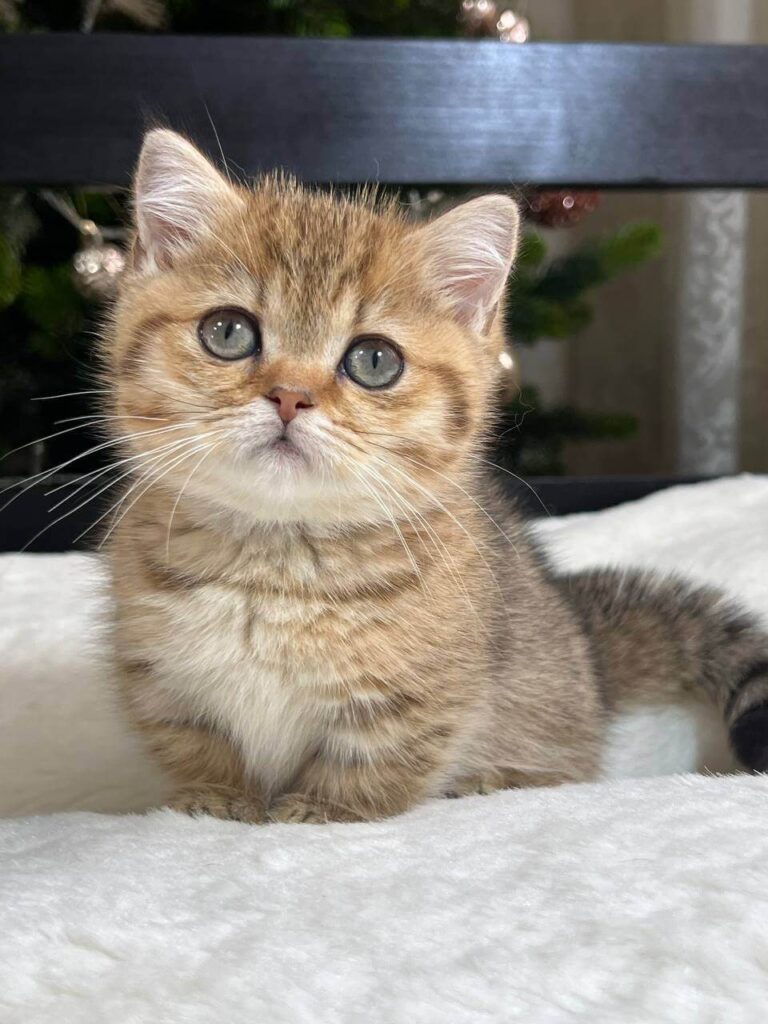
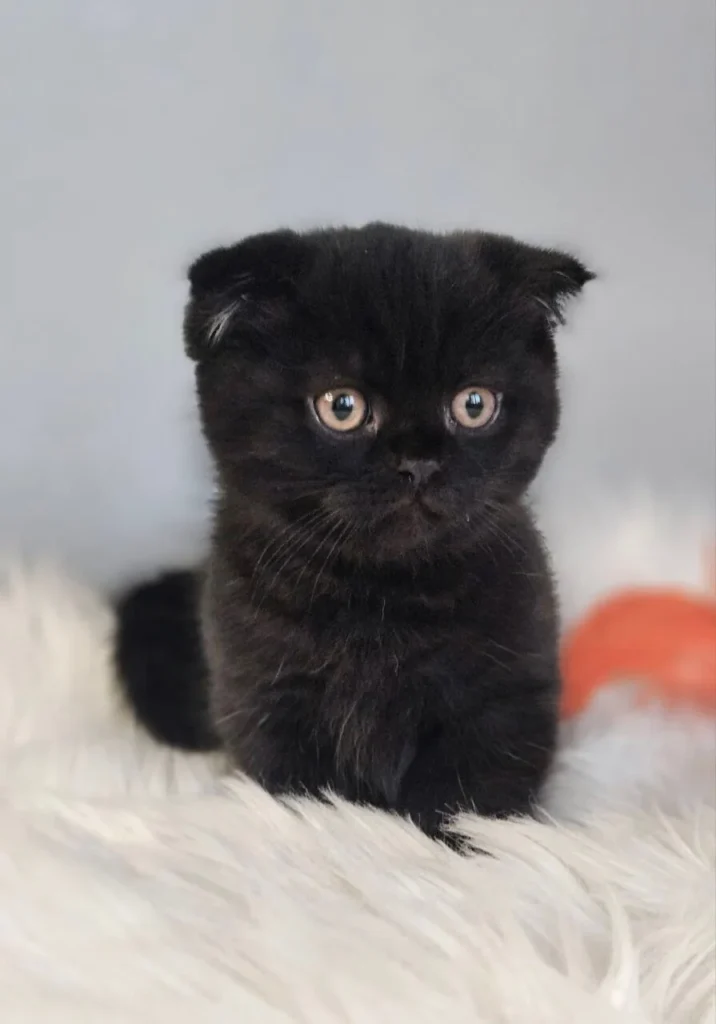
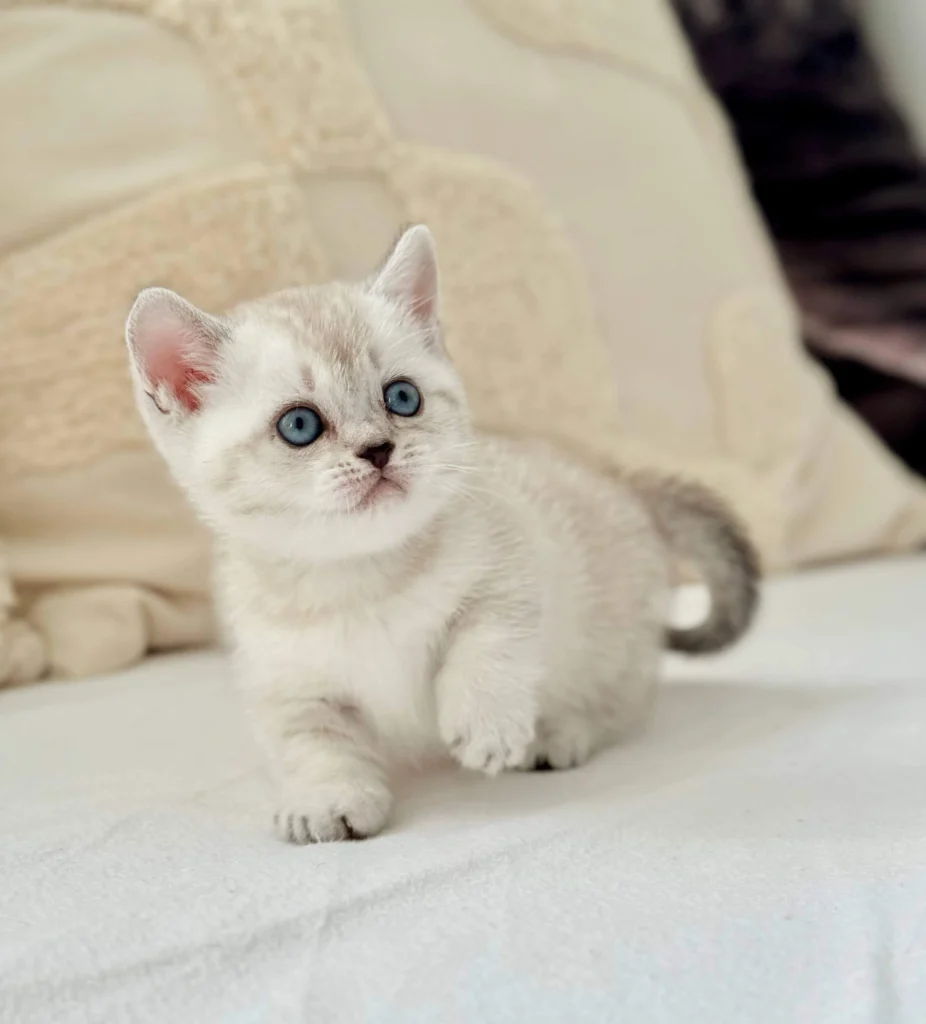
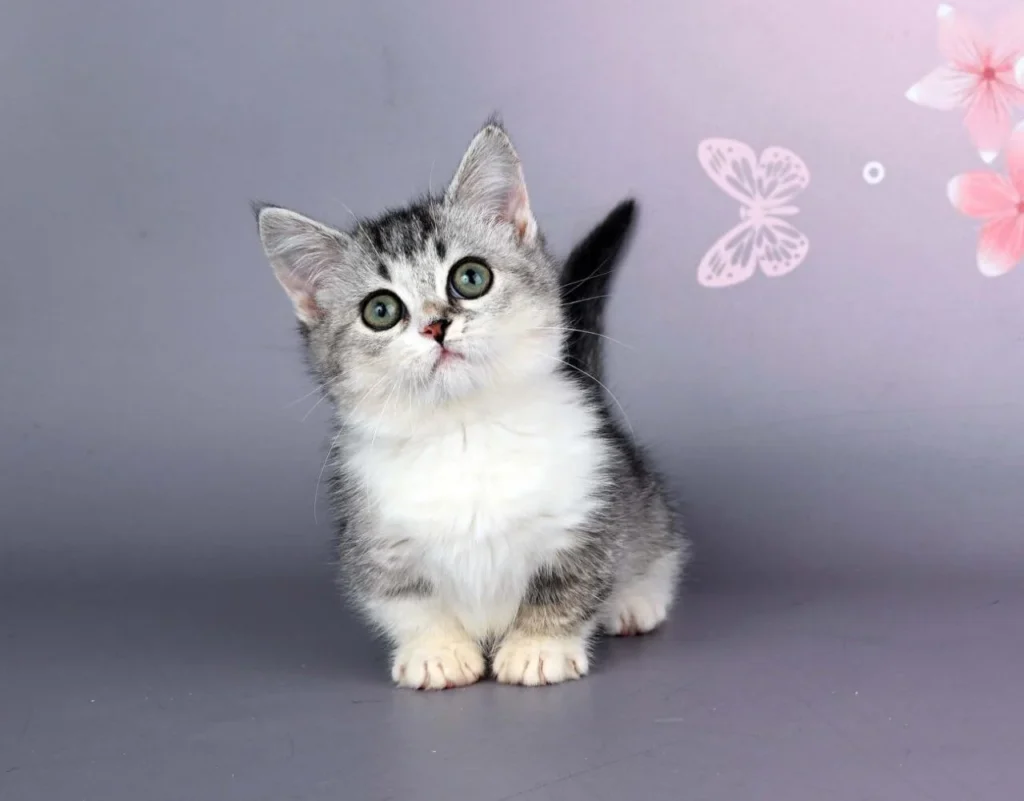
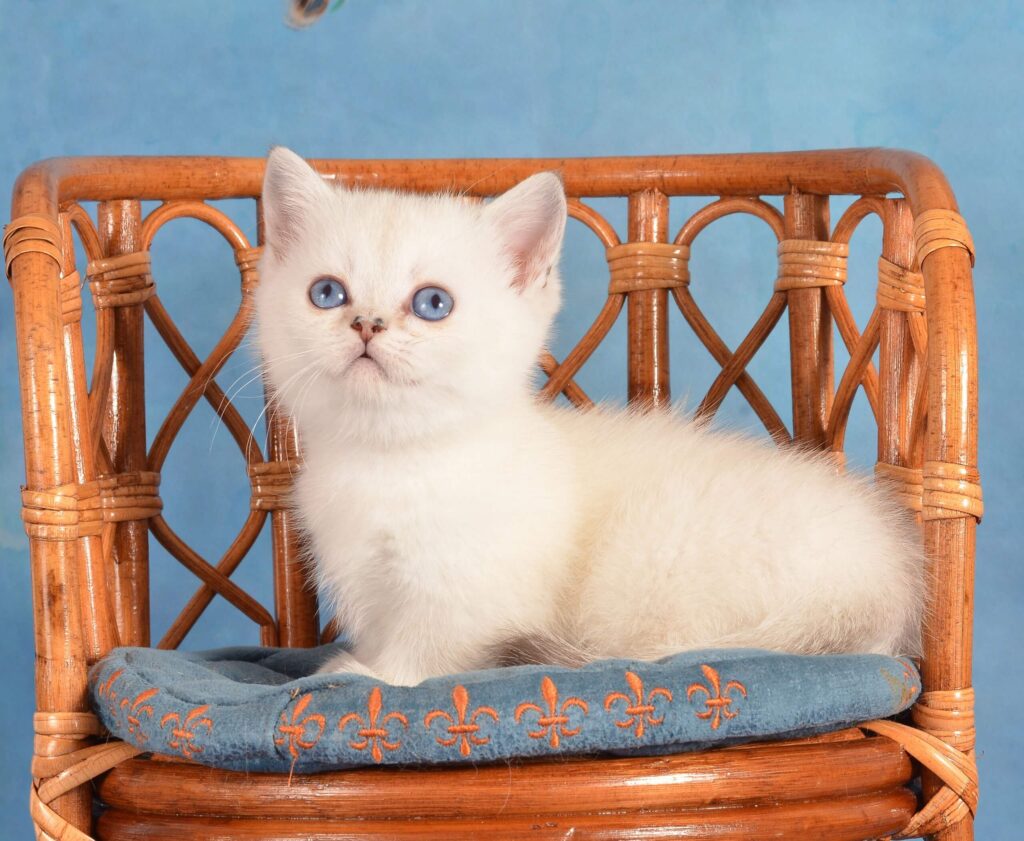
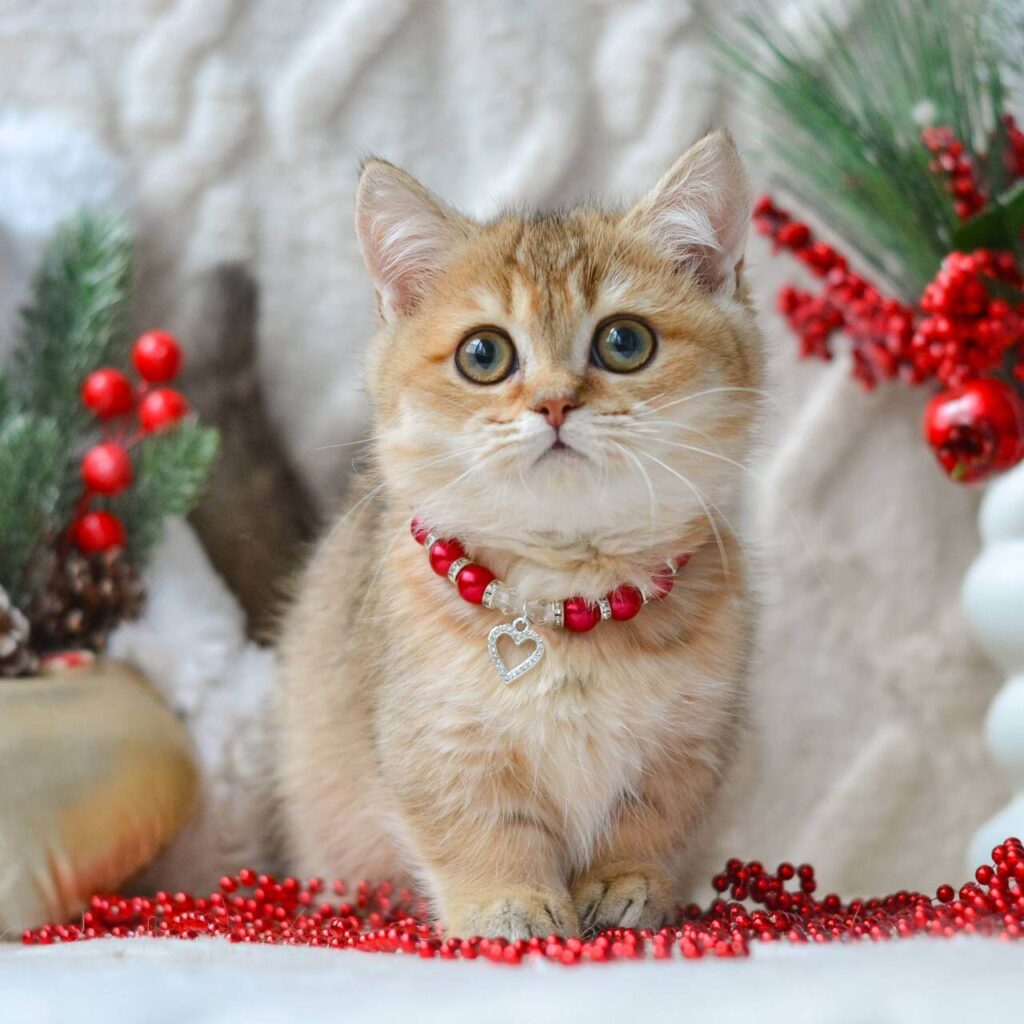
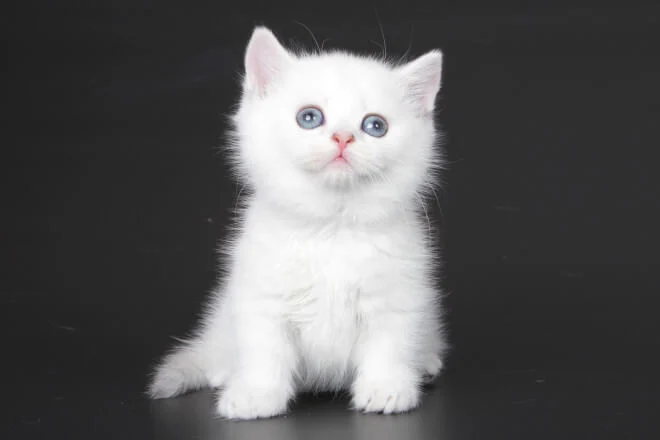
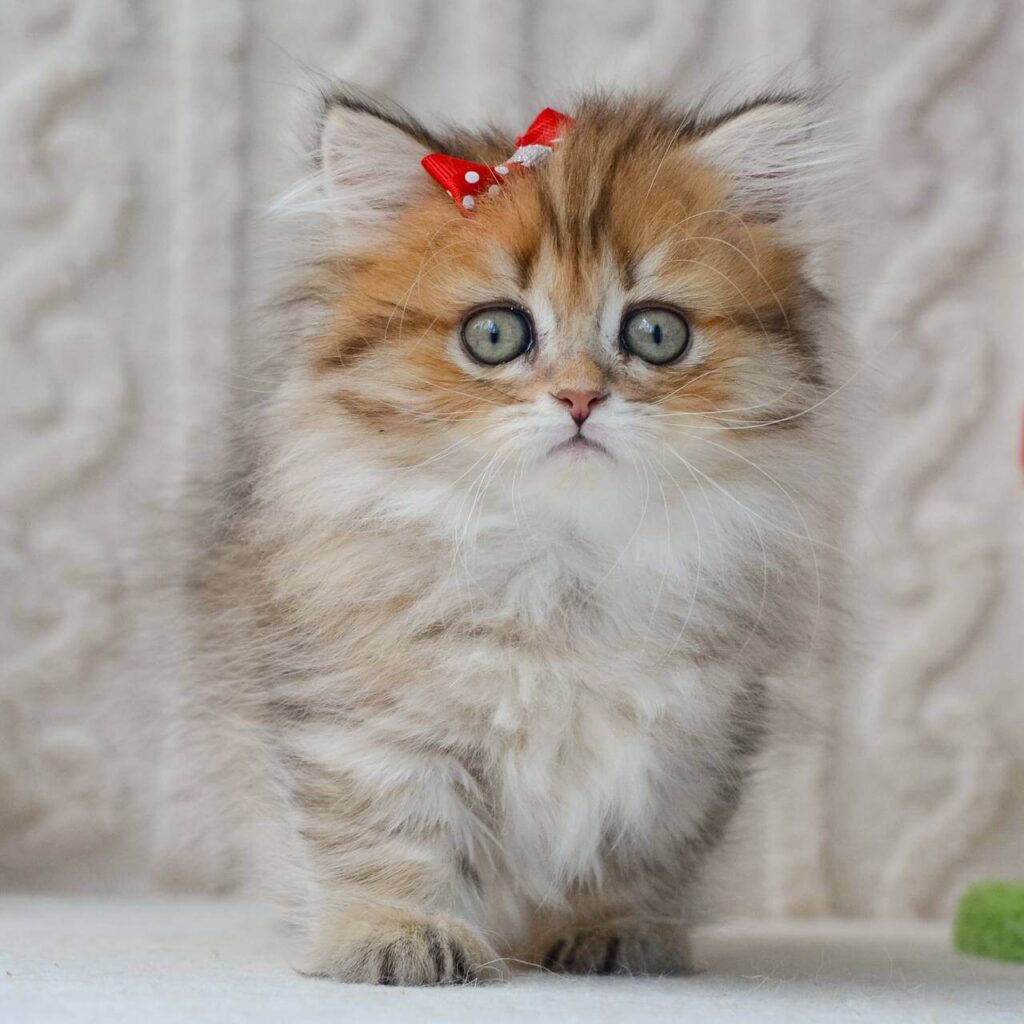
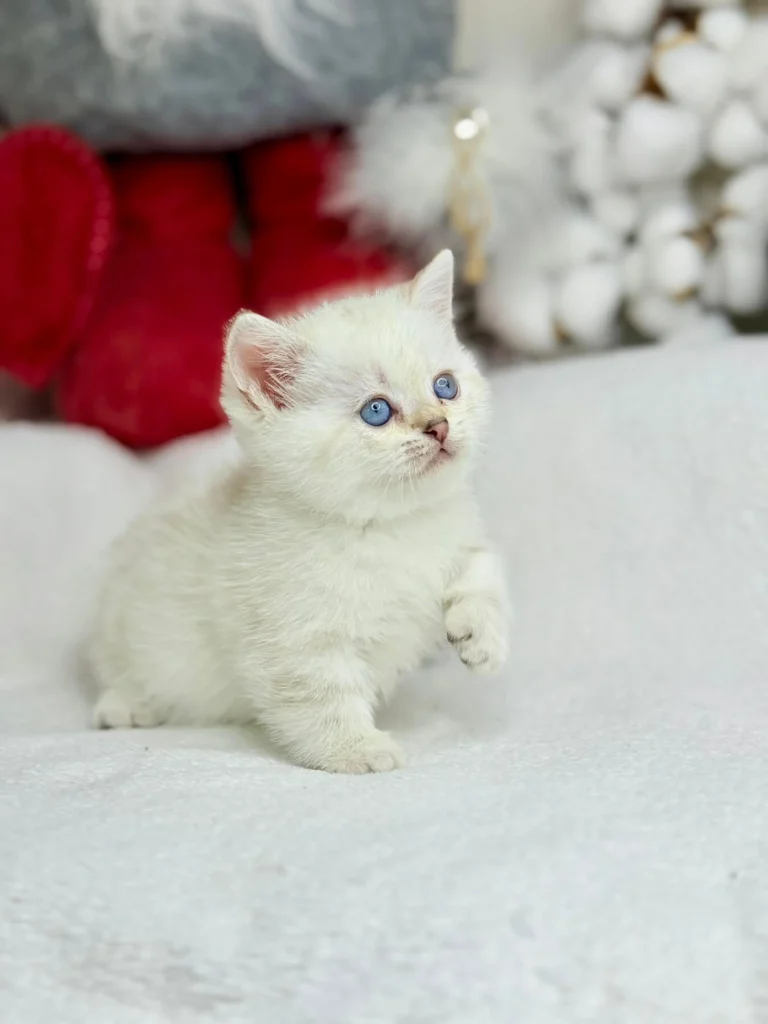
History of Munchkin Cat Breed
In 1983, a teacher on her way to work spotted a small cat under her car. She took it home and soon discovered the cat was pregnant. When the kittens were born, they too had the short legs that would become the breed’s signature feature.
The Munchkin Cat was formally introduced in 1991 and gained official recognition as a breed in 1995. However, many cat associations still don’t acknowledge it. The main reason is ethical breeding these cats can be controversial because their short legs result from a genetic mutation that may affect their health.
Today, only a few organizations, including The International Cat Association (TICA) and the Southern African Cat Council, officially recognize the Munchkin Cat as a breed.

Introduction to Munchkin Cat Breed Health Problems
Since the Munchkin cat is a relatively new breed, there’s still a lot we don’t know about its long term health.
Because their short legs come from a genetic mutation, Munchkins can be more prone to certain health issues especially if they’re bred with other cats that have their own genetic problems, like Scottish Folds.
Below, we’ll go over some of the health conditions Munchkin cats may face, many of which are also seen in cats in general:
Hyperthyroidism
Osteoarthritis
Spinal problems
Uremia
Pectus excavatum
The good news is that many of these conditions can be managed with the right care. We’ll also cover some practical tips on keeping your Munchkin healthy.
Why Munchkin Cats are Prone to Health issues
As we mentioned earlier, there’s still some debate about whether Munchkin cat health issues come from the genes that give them their short legs.
Munchkin cats must be bred with non Munchkin cats to reproduce. That’s because the gene responsible for their short legs is a “lethal gene.” If two Munchkins are bred together, their kittens won’t survive.
In other words, any kittens from two Munchkin parents simply won’t live.
Because of this, breeders can’t always be sure whether certain health problems in Munchkins come from the Munchkin parent or the non-Munchkin parent.
That said, Munchkin cats do have health concerns, just like any other breed. Let’s take a closer look at some of the conditions they may be prone to.
5 Common Munchkin Health Problems & Symptoms
Whether you’ve already adopted a Munchkin cat or are still considering it, you’ll want to know as much about this animal as you can. Here are five common Munchkin cat health problems, as well as the symptoms of each condition.

1. Hyperthyroidism
You may have heard of hyperthyroidism before, as it’s a condition that can affect both humans and cats.
Hyperthyroidism happens when a cat’s thyroid starts producing too many hormones. It’s most common in older cats, including Munchkins.
A Munchkin with hyperthyroidism might show some of these signs:
Weight loss
Increased appetite and thirst
More vocalization, like frequent meowing
Vomiting or diarrhea
Hyperactivity
A dull or unhealthy coat
If you notice any of these symptoms, it’s important to take your cat to the vet. The vet will likely run blood tests and may also recommend an X-ray or ECG to confirm the diagnosis.
Treatment usually involves medications to control thyroid hormone production. In some cases, surgery or a special diet may also be recommended.
The good news is that hyperthyroidism is one of the more manageable Munchkin health issues. With proper treatment, most cats respond well and can go on to live long, happy lives.
2. Osteoarthritis
Another health issue Munchkin cats can face is arthritis, a degenerative joint condition that wears away cartilage. Cartilage cushions your cat’s joints, protecting her bones whenever she moves. When it starts to break down, bones can rub against each other, causing inflammation and yep, it’s as painful as it sounds.
Arthritis is common in older cats, but younger cats aren’t completely immune. Watch out for these signs, which may mean it’s time for a vet visit:
Stiffness
Reduced activity
Lethargy
Changes in personality, like no longer wanting to be pet
Decreased appetite
Poor grooming habits
Since arthritis can’t be cured, treatment focuses on reducing pain and inflammation. Your vet may prescribe a non steroidal anti-inflammatory drug (NSAID) to help. Joint supplements, such as TRI-ACTA or TRI-ACTA H.A., can support joint health, reduce inflammation, and may even help prevent arthritis if used early.
In severe cases, surgery might be an option, but most cats are managed with medications and small changes at home, like providing soft bedding, ramps, or easy access to favorite spots.

3. Spinal Problems
Another serious health concern for Munchkin cats is a spinal condition called lordosis.
Lordosis happens when the muscles along a cat’s spine are too short, causing the spine to curve abnormally. This is the main symptom of the condition and can often be identified very early, with many cases diagnosed shortly after birth.
The severity of lordosis can vary. In milder cases, surgery may help correct the issue. Unfortunately, severe cases are very difficult to treat and can be life-threatening, sometimes resulting in death during or shortly after birth, or requiring euthanasia.
4. Uremia
Uremia is another health issue that can affect Munchkin cats. It occurs when urea a waste product from the body’s normal metabolism builds up in the blood instead of being filtered out through urine.
High urea levels often come with excess proteins and amino acids in the bloodstream. Uremia can develop due to several causes, including kidney damage, kidney stones, exposure to toxins, or kidney inflammation.
Common symptoms of uremia include:
Loss of appetite
Lethargy
Vomiting and diarrhea
Foul-smelling breath
Mouth ulcers
A veterinarian will typically diagnose uremia through blood tests and urinalysis. Treatment depends on the underlying cause and may involve medication or other interventions.
Unfortunately, complications from uremia are common and can be severe, including seizures, cardiac issues, and even death in some cases.

5. Pectus Excavatum
Last on our list of Munchkin cats health problems is Pectus excavatum, which is a condition that causes a hollowed chest and is especially common in male cats.
This is yet another deformity, aside from the short legs, that may come with the territory of having a Munchkin cat.
Vets are often able to diagnose this condition at birth through a physical exam or CT scan, though the condition can develop later.
The symptoms of Pectus excavatum are listed below:
- Avoiding exercise
- Weight loss
- Coughing
- Pneumonia
- Caved-in chest
Unfortunately, Pectus excavatum affects how well your cat’s heart functions due to the concave nature of the chest.
Generally, this condition is treated through surgery.
Munchkin Cat Breed Health Problems Prevention Tips
Well, that last section was sort of a bummer, wasn’t it? We’re sorry about that. But before you leave the page in a fit of sadness, stick around to learn how you can prevent some of these Munchkin cat health problems from forming in the first place.
1. Joint Supplements
We’re going to discuss the benefits of cat supplements first.
Because joint supplements are sort of our jam.
And not just because we make them! Joint supplements can be a great way to reduce the likelihood that your Munchkin cat will experience painful joint issues, like arthritis.
That’s because certain active ingredients, like the ones listed in the table below, maintain cartilage health and reduce pain and inflammation in your cat’s body.

| Active Ingredient | The benefit of Active Ingredient |
| Glucosamine |
|
| Chondroitin |
|
| MSM |
|
| Hyaluronic Acid |
|
When you’re looking for a good joint supplement, you’ll want to make sure it is made up of as many active ingredients as possible.
Otherwise, you end up wasting money on what amounts to be an expensive, and relatively useless, cat supplement that’s full of fillers.
And we’re assuming you don’t want to do that.
Fortunately, you don’t have to look too hard to find the right joint supplement. TRI-ACTA and TRI-ACTA H.A. For Pets both have all active ingredient formulas. Plus, they’re tested for quality by a third-party manufacturer and Health Canada approved.
Your Munchkin cat is getting only the good stuff with these supplements.
2. Healthy Diet
Munchkin cats may look unique…
But fortunately, they don’t have any unique dietary needs.
That doesn’t mean you should ignore their nutrition though. Maintaining a healthy diet is key to ensuring optimal animal health, which can help you avoid some of those Munchkin cat health problems we discussed earlier.
In particular, a healthy diet can help prevent your cat from becoming overweight. That’s important because extra pounds can exacerbate conditions like arthritis.
Feeding your cat wet food as part of a healthy diet can also help keep her hydrated, which maintains kidney health. Thus, proper hydration can help prevent conditions like uremia from forming.
Finally, feeding your cat a nutrient-rich diet supports cat bone health. And this is pretty significant for the Munchkin cat since three out of the five health conditions we mentioned had to do with bones!
The good news is that most cat foods supply all the necessary vitamins and minerals for healthy bones, such as:
- Calcium
- Phosphorous
- Vitamin A
- Vitamin C
- Vitamin D
In some cases, however, it may be necessary to supplement your cat’s diet, particularly if she is deficient in a specific vitamin or mineral.
Before feeding your cat a new vitamin or mineral supplement, always check in with your vet. Too many of certain nutrients can be toxic for your cat.
And the last thing you want is to accidentally do more harm than good through your supplement!
3. Grooming & Care

A Munchkin cat’s short legs make her absolutely adorable.
But they may also introduce some grooming challenges.
And if you think grooming does not play a role in Munchkin health problems, you’d be mistaken.
Just try to imagine cleaning that hard-to-reach spot with short little legs and a painful joint condition like arthritis.
Not a nice thought, is it?
But you can make things easier on your cat and help her avoid getting into uncomfortable, or even downright painful, situations.
Be sure to brush your cat’s fur approximately once a week. This not only keeps your cat’s fur nice and shiny but also reduces shedding.
In other words, less vacuuming for you!
Similarly, trim your cat’s nails regularly to protect your cat from getting painful broken nails. Alternatively, you can provide your cat with a scratching post, which not only keeps her nails shorter but also provides her with another healthy outlet: exercise!
We’ll discuss this measure next.
4. Exercise
We discussed the importance of keeping your cat at a healthy weight when we talked about food.
And aside from a healthy diet, what’s another great way to keep your cat from packing on the pounds and developing Munchkin health problems?
Exercise, of course!
In addition to reducing extra weight, exercise helps strengthen bones, ligaments and tendons. This helps keep your Munchkin cat’s joints strong, reducing the likelihood she’ll experience health conditions like arthritis.
In general, you should aim to get your cat about 30 minutes of exercise per day. But if you’ve ever had a cat before, you know that’s not as easy as it sounds.
Cats like to sleep. A lot.
So you’ll have to find ways to encourage exercise. Fortunately, encouraging your cat to exercise is a great way to bond, since cat exercise often involves play.
Of course, not all cats are going to like getting exercise in the same ways. You may need to experiment with your cat to see what she responds to the best.
| Activity | Equipment Required |
| Go for a Walk |
|
| Stretching |
|
| Playtime |
|